Table of Contents Tabla de Contenido
- What You Will Learn in This Article
- The Fundamental Difference: Intent vs. Interruption
- 2026 Cost Benchmarks: The Real Numbers
- Platform Performance by Industry
- How to Choose Based on Your Sales Cycle
- The Combined Funnel Strategy That Outperforms Either Platform Alone
- Common Budget Mistakes on Each Platform
- How to Benchmark Your South Florida Ad Performance
- Frequently Asked Questions
- Conclusion
Every business owner in South Florida who has explored paid advertising faces the same question: Google Ads or Meta Ads? Both platforms can generate leads. Both can waste your budget if used incorrectly. The answer is not universal — it depends on your industry, your sales cycle, your target audience, and what "qualified" means for your business. This guide breaks down both platforms with real 2026 data, identifies which industries should prioritize each, and explains the smartest strategy for businesses in Broward, Miami-Dade, and Palm Beach counties who want maximum return on every advertising dollar.
What You Will Learn in This Article
- How Google Ads and Meta Ads fundamentally differ in lead generation mechanics
- 2026 cost benchmarks: CPC, CPL, and ROAS for both platforms
- Which platform performs better by industry
- How to choose based on your sales cycle and audience
- The combined funnel strategy that outperforms either platform alone
- Common mistakes that waste budget on each platform
- How South Florida businesses can benchmark their ad performance
The Fundamental Difference: Intent vs. Interruption
Understanding Google Ads and Meta Ads requires grasping one core philosophical difference: Google Ads captures existing demand; Meta Ads creates new demand.
Google Ads: Capturing High-Intent Buyers
When someone searches "web design agency Fort Lauderdale" on Google, they already know they need a web designer. They have moved past the awareness stage and are actively evaluating options. Google Ads puts your business in front of buyers at the exact moment they are searching for your solution. This is called "intent-based marketing" — you are intercepting an active need, not interrupting someone who may or may not be interested.
This intent advantage is why Google Ads typically generates higher-quality leads in B2B and service industries, where the purchase decision requires research and comparison. For a Miami law firm, an HVAC company in Broward County, or a Webflow agency in Plantation, the person searching is already in buying mode.
Meta Ads: Reaching Your Audience Before They Search
Meta Ads (Facebook and Instagram) work on a fundamentally different model: you define your target audience by demographics, interests, behaviors, and location, and Meta shows your ad to them — whether they are currently looking for your product or not. This is "interruption marketing," but executed with precise targeting. Its power lies in reaching potential customers before they have started searching, and in building the brand awareness that makes them choose you when they do search.
For local South Florida businesses targeting specific zip codes, age ranges, income levels, or interest categories, Meta's geographic and demographic targeting is unmatched for audience precision.
2026 Cost Benchmarks: The Real Numbers
Cost data is the most commonly misunderstood part of the Google Ads vs Meta Ads comparison. Here are current 2026 benchmarks:
| Metric | Google Ads (2026) | Meta Ads (2026) |
|---|---|---|
| Average CPC (cost per click) | $2.50–$8.00 (varies by industry) | $1.88 average across industries |
| Average CPL (cost per lead) | $66.69 average (all industries) | $27.66 average (all industries) |
| Average ROAS (all industries) | 4:1 | 6:1 |
| B2B Services ROAS | 5:1 | 3.5:1 |
| E-commerce ROAS | 6:1 | 7.5:1 |
On raw cost per lead, Meta Ads appear dramatically cheaper. However, this comparison is misleading without accounting for lead quality. A Google Ads lead generated by someone who searched "emergency plumber Miami" may be worth 10x more than a Meta Ads lead from someone who clicked a "Is your water heater failing?" awareness ad. The cost of acquisition must be weighed against the close rate and lifetime value of leads from each platform.
Platform Performance by Industry
Industry type is the most reliable predictor of which platform delivers better-qualified leads:
Google Ads Outperforms for:
- Professional services (legal, accounting, consulting) — high-intent searches, high-value clients
- Emergency and urgent services (plumbing, HVAC, medical) — buyers need help now
- B2B services — decision-makers search by solution type when evaluating vendors
- High-ticket local services (custom web development, architecture, dental) — serious buyers research before calling
Meta Ads Outperforms for:
- E-commerce and retail — visual product discovery in a browsing mindset
- Events, fitness, and wellness — lifestyle targeting reaches the right demographic before they search
- Real estate — affluent demographic targeting by neighborhood and income bracket
- Restaurants and local hospitality — local radius targeting reaches nearby residents
- Impulse and low-cost products — lower commitment needed for a purchase decision
The South Florida Context
For businesses in Miami-Dade, Broward, and Palm Beach, both platforms have high penetration. South Florida's diverse, affluent demographics make Meta Ads particularly effective for lifestyle brands, luxury services, and businesses targeting specific cultural communities. Google Ads perform strongly for competitive service industries (legal, medical, home services, digital marketing) where buyers are actively seeking solutions.
How to Choose Based on Your Sales Cycle
Sales cycle length is a critical factor that most businesses overlook when choosing an ad platform:
Short Sales Cycles (hours to days)
For products or services where someone sees an ad and buys within hours or days, Meta Ads often deliver better ROI because of lower CPL and strong retargeting capabilities. A restaurant running a weekend promotion, a salon offering a seasonal discount, or a retail store promoting a flash sale can see same-day results from Meta campaigns.
Medium Sales Cycles (days to weeks)
For services where buyers research, compare, and decide over 1-4 weeks, a combined approach works best: Google Ads to capture initial search intent, Meta retargeting to stay visible while they evaluate, and a strong landing page to convert. This combination is particularly effective for digital marketing agencies, Webflow design projects, and similar professional services where buyers want to see portfolios and proposals before committing.
Long Sales Cycles (months)
For enterprise B2B services, custom development projects, or high-ticket professional services with 1-6 month decision timelines, Google Ads build the initial pipeline, Meta Ads maintain brand presence throughout the consideration period, and content marketing (SEO, AEO) builds the ongoing authority that influences the final decision.
The Combined Funnel Strategy That Outperforms Either Platform Alone
The most effective paid advertising strategy in 2026 combines Google Ads and Meta Ads in a coordinated funnel rather than choosing one:
Top of Funnel (Awareness): Meta Ads with broad creative to defined local audience segments → build brand recognition before the purchase trigger
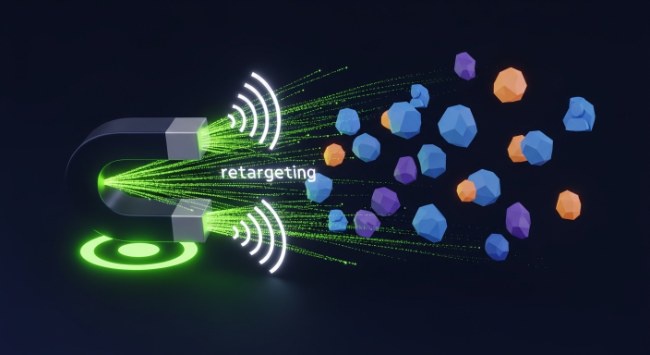
Middle of Funnel (Consideration): Google Ads to capture active searches → Meta retargeting to re-engage website visitors who did not convert
Bottom of Funnel (Decision): Google Ads for high-intent "near me" and comparison searches → Meta retargeting with testimonials and offers to warm audiences
This full-funnel approach produces better results than either platform in isolation because it addresses all three stages of the buyer journey. Businesses that combine Google and Meta Ads typically see 30-50% lower cost per acquired client than businesses running one platform alone, because they stop losing potential customers at each funnel stage.
Common Budget Mistakes on Each Platform
Google Ads Mistakes
- Broad match keywords with no negative keyword list: Wastes 30-50% of budget on irrelevant clicks
- Sending all traffic to the homepage: Dedicated landing pages convert 3-5x better than homepages
- No conversion tracking: Without tracking phone calls, form submissions, and chats as conversions, Smart Bidding has no data to optimize
- Setting and forgetting: Google Ads requires weekly optimization; campaigns left alone degrade over time
Meta Ads Mistakes
- Too many ad sets with small budgets: Fragmented budgets prevent Meta's algorithm from finding enough conversion data. Fewer ad sets with stronger individual budgets consistently outperform fragmented structures
- Not refreshing creative: Local audiences in South Florida see your ads repeatedly; creative fatigue hits faster in smaller geographic areas. Update creative monthly
- Skipping the retargeting layer: Most Meta Ads lead generation programs lose 80% of potential conversions by not retargeting website visitors
- Optimizing for clicks instead of leads: Meta's algorithm optimizes for what you tell it to optimize for; always optimize for the actual conversion event (form submission, call, appointment)
How to Benchmark Your South Florida Ad Performance
Knowing whether your campaigns are performing well requires context. Here are the benchmarks for service businesses in South Florida:
| Service Type | Target Google CPL | Target Meta CPL | Target Conversion Rate |
|---|---|---|---|
| Digital marketing agency | $80–$150 | $30–$60 | 3–5% |
| Legal services | $50–$200 | $20–$80 | 4–8% |
| Home services (HVAC, plumbing) | $30–$80 | $15–$45 | 5–10% |
| Real estate | $25–$75 | $10–$35 | 2–4% |
| Medical/dental | $40–$120 | $20–$60 | 5–12% |
If your CPL is above these benchmarks, the most common causes are: irrelevant traffic (targeting or keyword issues), a weak landing page (CRO issues), or insufficient conversion tracking (data quality issues). Each requires a different fix — which is why running a professional audit before scaling budget is almost always the right first step.
Frequently Asked Questions
Should I start with Google Ads or Meta Ads for my South Florida business?
For most service businesses in South Florida, start with Google Ads. Because it captures active buyer intent, it generates more immediately qualified leads and produces faster attribution — you can clearly see which searches led to leads and optimize accordingly. Once Google Ads is profitable and the landing page is converting, layer in Meta Ads for brand building and retargeting to lower your overall CPL.
What is a realistic monthly budget to see results from Google Ads in South Florida?
For most competitive service industries in Broward, Miami-Dade, or Palm Beach, a minimum effective Google Ads budget is $1,500–$3,000/month. Below this threshold, you typically cannot generate enough daily clicks for Google's Smart Bidding algorithms to optimize effectively. Meta Ads can produce results with smaller budgets ($500–$1,000/month) because of lower average CPCs.
Can I run both Google Ads and Meta Ads on a limited budget?
Yes, but prioritize strategically. With a combined budget under $3,000/month, allocate 70% to Google Ads (for intent capture) and 30% to Meta Ads (for retargeting only). As budget grows, expand Meta Ads for prospecting — top-of-funnel awareness campaigns. This allocation maximizes lead quality while building the awareness layer that reduces future CPL.
How long does it take Google Ads to start generating leads?
Well-structured Google Ads campaigns typically begin generating leads within 1-2 weeks of launch. However, campaign performance improves significantly over the first 60-90 days as Smart Bidding accumulates conversion data. Expect 30-60 days to reach stable, optimizable performance, and 90+ days to achieve peak efficiency.
Conclusion
The real answer to "Google Ads vs Meta Ads" for lead generation is: both, used strategically. Google Ads captures the high-intent buyers searching for your solution right now. Meta Ads builds the brand presence that makes them choose you when they search — and recaptures the ones who visited but did not convert. Together, they create a lead generation system that outperforms either platform alone. At SENAVIA Corp, we are a certified Google Partner managing paid advertising strategies for businesses across South Florida, combining Google Ads precision with Meta Ads audience reach to deliver qualified leads at the lowest possible cost. Contact SENAVIA today for a free paid advertising audit and a clear plan for your lead generation goals.